A growing number of families in Virginia Beach, Norfolk, and Chesapeake are asking about eco-friendly or “green” cleaning — and for good reason. Many conventional cleaning products contain chemicals that can irritate skin, trigger asthma, and linger as residue on surfaces where kids and pets spend time. This guide covers what eco-friendly cleaning actually means, what it can and can’t do, the products that genuinely work, and how to make sure your cleaning service is using what you think they’re using.
What “Eco-Friendly Cleaning” Actually Means
The term gets used loosely, so it’s worth being specific. Genuinely eco-friendly cleaning means:
- No harsh synthetic chemicals — avoiding bleach, ammonia, phthalates, synthetic fragrances, and formaldehyde-releasing preservatives
- Biodegradable formulas — ingredients that break down safely in the environment, important when products drain into Virginia Beach’s coastal watershed
- Concentrated products — less packaging waste, lower carbon footprint for shipping
- No unnecessary aerosols — spray bottles instead of pressurized cans
- Plant-based active ingredients where possible — citric acid, lactic acid, surfactants derived from coconut or corn
It does not mean ineffective. Professional-grade plant-based cleaners clean just as well as conventional products for most household surfaces. There are specific cases where conventional disinfectants outperform — we’ll get to those.
Why It Matters for Families with Kids and Pets
Young children and pets spend far more time on floors and low surfaces than adults do. Residue from conventional cleaners — particularly floor cleaners and bathroom disinfectants — is more likely to be ingested or absorbed through skin contact at floor level.
Common chemical concerns in household cleaners:
- Ammonia — found in many glass cleaners; irritates airways and is toxic to pets, especially birds
- Chlorine bleach — effective disinfectant but produces fumes that can trigger asthma; residue is harmful if ingested. Never mix with ammonia or vinegar — produces toxic gases.
- Synthetic fragrances — can contain dozens of undisclosed chemical compounds; some linked to hormone disruption and respiratory irritation
- Phthalates — used as fragrance carriers; linked to endocrine disruption in developing children
- Quaternary ammonium compounds (“quats”) — common in disinfecting wipes; can trigger asthma with repeated exposure
- Triclosan — found in some antibacterial products; may disrupt gut microbiome in children
What We Use at Healthy Cleaning 4 You
We use professional-grade plant-based and non-toxic products that are effective for residential cleaning without harsh residues. Specifically:
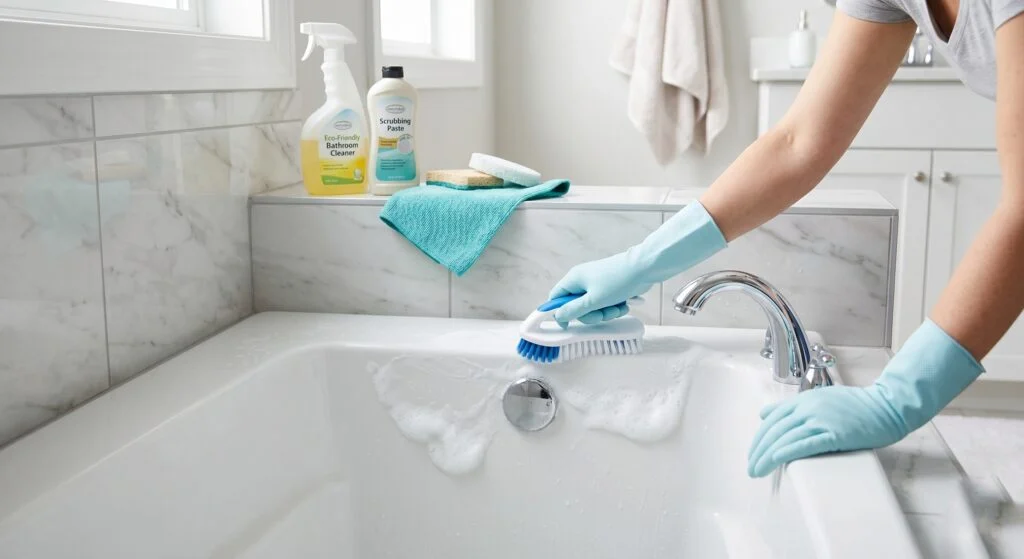
- pH-neutral all-purpose cleaners (safe for sealed stone, hardwood, and most surfaces)
- Hydrogen-peroxide-based disinfection where actual disinfection is needed (bathrooms, kitchen prep areas)
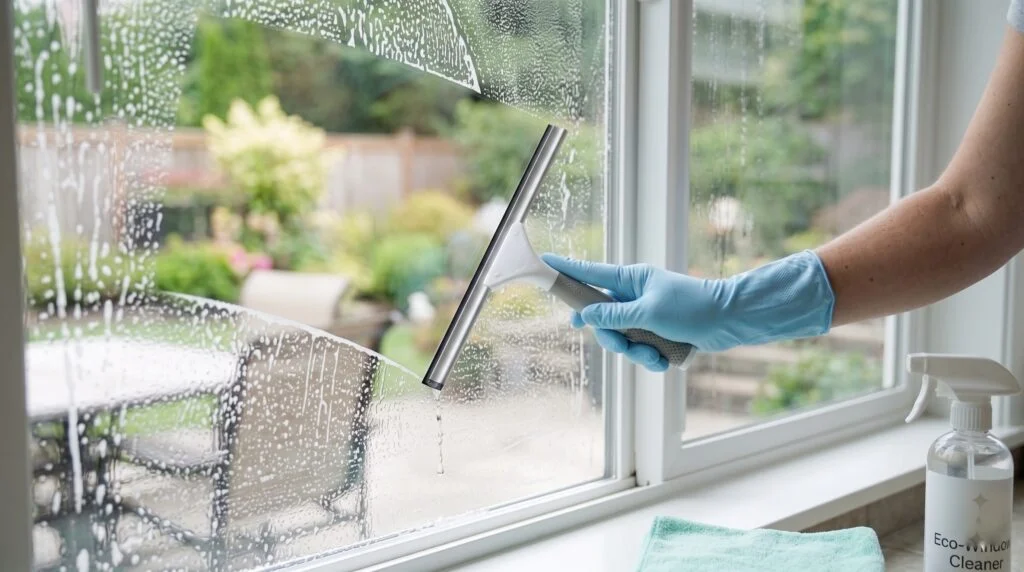
- Plant-based glass cleaners — no ammonia
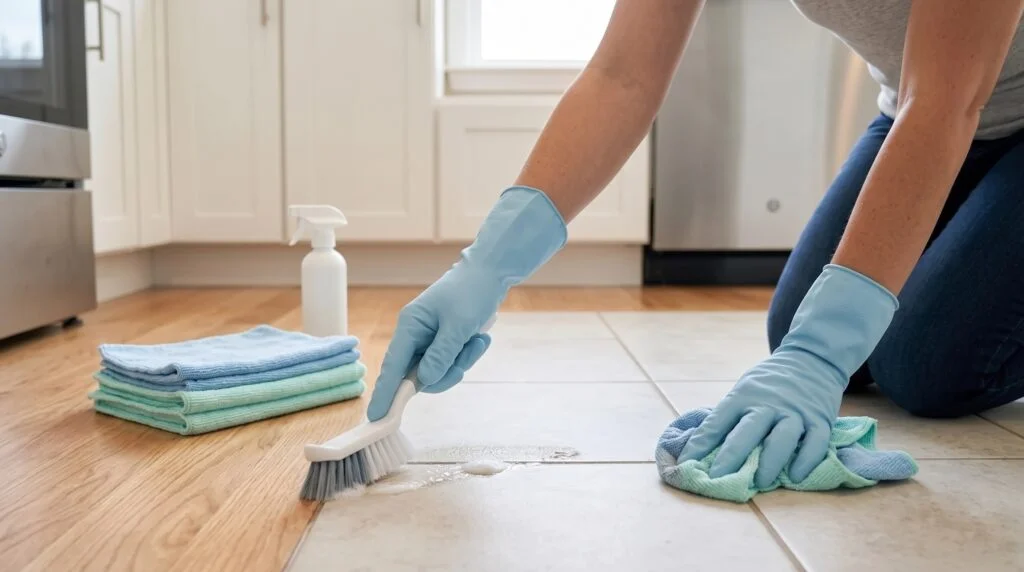
- Microfiber cloths and mops — physical cleaning, less chemistry needed
- HEPA-filtered vacuums — captures fine dust and allergens rather than recirculating
If you have specific sensitivities, fragrance allergies, or a household member with asthma or chemical sensitivities, let us know when you book. We can adjust the products we bring. For more on how to communicate this kind of preference before your first visit, see our prep guide.
Effective Eco-Friendly Products for DIY Maintenance
If you want to maintain between professional visits using green products:
- All-purpose cleaning: Branch Basics, Seventh Generation, Mrs. Meyer’s (fragrance-free versions), or simply dish soap diluted in water
- Glass and mirrors: White vinegar diluted 1:1 with water + a few drops of rubbing alcohol for streak-free finish
- Disinfecting: Hydrogen peroxide (3% standard pharmacy strength) or Benefect Botanical (EPA-registered, thyme-based active)
- Grease and oven: Baking soda paste + white vinegar, or Branch Basics Oxygen Boost for tougher buildup
- Floor cleaning: Castile soap (Dr. Bronner’s) diluted in warm water — works on hardwood, tile, vinyl
- Toilet bowl: Citric acid powder (or borax) — sit overnight, scrub in the morning
- Drain cleaning: Baking soda + boiling water + vinegar for slow drains (avoid the chemical drain cleaners)
What Eco Products Don’t Do as Well
Honest disclosure: plant-based disinfectants may require longer dwell time on surfaces to match the kill rates of bleach or quaternary ammonia compounds. For households dealing with active illness, visible mold, or heavy bacterial contamination (think raw meat counter, post-stomach-flu cleanup), a conventional disinfectant used strategically is the better tool. The trick is using it for that specific job, not as routine cleaning chemistry.
Other limitations:
- Eco oven cleaners are slower than fumes-heavy commercial ones — plan for overnight dwell on heavy grease
- Mineral deposits (hard water in Virginia Beach is significant) sometimes need citric or phosphoric acid to remove — both are still relatively eco-friendly compared to alternatives
- Mold treatment benefits from EPA-registered antimicrobials, even the botanical ones
How to Ask Your Cleaning Service About Green Options
Before booking any cleaning service, ask:
- “Do you offer fragrance-free or unscented options?”
- “Can you avoid bleach-based products in our home?”
- “What products do you use for bathroom disinfection? Can I see a list?”
- “Are you willing to use products I provide if I prefer specific brands?”
A good cleaning service will accommodate reasonable requests. If a service brushes off chemistry questions with “we use professional products” without elaboration — that’s not a great sign.
Frequently Asked Questions
Does eco-friendly cleaning cost more?
At Healthy Cleaning 4 You — no. Eco-friendly is our standard, not a premium option. Some companies charge extra for “green cleaning packages” — we don’t.
Are essential oils safe for pet households?
Most are fine in cleaning products at the dilutions used, but tea tree, eucalyptus, citrus oils, and peppermint can be toxic to cats specifically. If you have cats, mention it and we’ll avoid those.
Is vinegar safe for everything?
Most surfaces yes, but not on natural stone (marble, travertine, limestone — acid etches them), waxed wood, or some sealed concrete. For everything else, it’s one of the best DIY cleaners around.
What about “green” labels — are they regulated?
“Natural,” “green,” and “eco-friendly” are not regulated terms in the US. Look for specific certifications: EPA Safer Choice, Green Seal, EWG Verified, USDA BioPreferred. These actually mean something.
Can eco-friendly products clean a really dirty house?
For routine and even neglected cleaning — absolutely yes. For very specific extreme cases (heavy mold, sewage, blood) you may need stronger chemistry. But these are exceptions, not routine.
Will eco-friendly products work on my pet’s mess?
Enzymatic cleaners (Nature’s Miracle is the classic) are the gold standard for pet urine and organic stains. They’re eco-friendly AND more effective than harsh chemicals for that specific job.
Ready for a Cleaner Home That’s Also Safer for Your Family?
Get a free estimate or call us at 757-717-8331. Tell us about any sensitivities, preferences, or specific concerns when you book — we’ll plan the products around your household.
We serve Virginia Beach, Norfolk, and Chesapeake.